Source Brass Flared Union Nut for Power, Gas, and Sewage
Find 30 brass flared union nut options for power stations, gas systems, and sewage treatment. Compare specifications like 1/2" and 15mm sizes, CE/ISO certifications, and OEM support to select the right fittings for your industrial needs; compare the available evidence and request quotations based on your requirements.
Key considerations
Products List


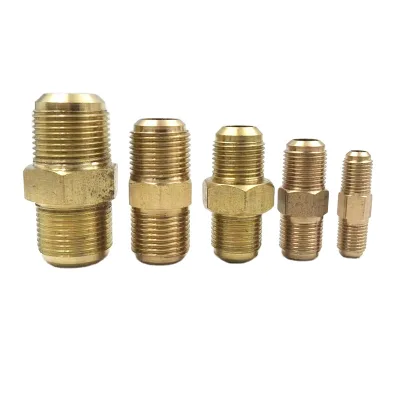


$0.10 - $1.00
Moq: 2000


Comprehensive Sourcing Guide
Brass Flared Union Nut Sourcing Guide
Sourcing brass flared union nuts requires a disciplined approach to material verification and dimensional accuracy, as these components serve as critical sealing interfaces in fluid power systems. Buyers must prioritize suppliers who demonstrate consistent manufacturing capabilities, particularly those originating from established industrial hubs like Wenzhou and Taizhou in Zhejiang Province, China. These regions are known for their concentration of precision metalworking firms that produce high-volume hardware for global distribution. The availability of customization options, including OEM and ODM support, allows procurement teams to tailor specifications for unique mechanical assemblies without compromising structural integrity.
The procurement process should begin with a clear definition of thread standards and connection types, as the market offers both male and female configurations. Observations indicate that products often feature hexagon head codes and forged construction, which are essential for withstanding high-pressure environments in power stations, gas lines, and sewage treatment facilities. Buyers should verify that the raw material is genuine brass bar stock, ensuring the alloy composition meets the required mechanical properties for durability and corrosion resistance. This foundational verification prevents costly failures in downstream applications where leak prevention is paramount.
Product Scope and Observed Listing Signals
The current market landscape for brass flared union nuts reveals a diverse range of product listings that cater to various industrial and commercial needs. Observed data indicates a wide price range, suggesting significant variation in quality, material grade, and supplier scale. Procurement professionals should note that minimum order quantities (MOQs) can vary drastically, from single units for prototyping to ten thousand pieces for large-scale industrial deployment. This variability requires buyers to align their purchasing volume with supplier capabilities, ensuring that smaller orders do not incur disproportionate setup costs while larger orders benefit from economies of scale.
Listing signals also highlight specific product models and packaging standards that serve as indicators of supplier professionalism. Products are frequently identified by model numbers such as KL-62 or IC-FF-1075, which help in tracking specific design iterations and compatibility with existing inventory. Packaging methods range from standard export cartons to wooden cases for sea freight, reflecting the need for robust protection during international logistics. Buyers should verify that the packaging details match the shipping method to prevent damage during transit, especially when sourcing from ports like Ningbo or Shanghai, which are major hubs for hardware exports.
Technical Specifications to Verify
Dimensional accuracy is the most critical technical factor when sourcing brass flared union nuts, as even minor deviations can lead to system leaks or assembly failures. Buyers must verify thread sizes against established standards, with common observations including 1/2" and 1/8" to larger diameters. The connection type, whether male or female, must be explicitly confirmed to match the mating components in the fluid system. Additionally, the structure of the nut, often described as universal or rigid, should be assessed based on the specific mechanical stresses it will encounter in service.
Material composition and surface treatment are equally important technical specifications that influence performance and longevity. The raw material is typically brass, but buyers should confirm the specific alloy grade to ensure adequate strength and corrosion resistance. Surface treatments, such as golden coloring or untreated finishes, may indicate different plating processes or natural brass properties that affect aesthetic and functional outcomes. Thickness measurements, such as 1.3mm, provide insight into the wall strength of the component, which is vital for high-pressure applications. Verifying these details against technical drawings prevents mismatched components in complex assemblies.
Compliance and Safety Documentation
Regulatory compliance is a non-negotiable aspect of sourcing industrial hardware, particularly for components used in gas, power, and public works applications. Buyers should request documentation that confirms adherence to recognized quality standards, such as ANSI B16.22 or ASTM specifications, which govern the manufacturing and testing of brass fittings. Certifications like CE and ISO indicate that the supplier follows international quality management and safety protocols, providing a baseline assurance of product reliability. These documents are essential for audits and ensure that the components meet the legal requirements of the destination market.
Safety documentation also includes material safety data sheets and compliance with environmental regulations regarding lead content and other hazardous substances. Buyers must verify that the brass alloy used is compliant with relevant directives, especially if the components are intended for potable water or sensitive industrial processes. The warranty period, often listed as one year, serves as a contractual guarantee of product performance, but buyers should understand the scope of this coverage. Clear communication regarding liability for defects and return policies is crucial for mitigating risk in the procurement chain.
Cost Drivers and Commercial Terms
The cost of brass flared union nuts is influenced by several factors, including raw material prices, manufacturing complexity, and order volume. Brass is a commodity metal with fluctuating market values, which directly impacts the final price of the finished product. Buyers should anticipate price variations based on the specific alloy grade and thickness required for their application. Additionally, the level of customization, such as OEM branding or unique thread specifications, can increase production costs due to setup time and specialized tooling requirements.
Commercial terms, including payment methods, shipping arrangements, and lead times, play a significant role in the total cost of ownership. Suppliers often offer flexible packaging options, from standard cartons to wooden cases, which can affect shipping costs and insurance premiums. The port of dispatch, typically Ningbo or Shanghai, influences logistics planning and transit times. Buyers should negotiate clear terms regarding supply ability, which may be listed as one million pieces per month, to ensure consistent availability during peak demand periods. Understanding these variables helps in budgeting accurately and avoiding hidden costs.
Supplier Qualification and Quality Control
Evaluating supplier qualification is essential to ensure a reliable supply chain for brass flared union nuts. Buyers should assess the supplier's production capacity, technical expertise, and history of fulfilling orders in the specified industry sectors. Suppliers from Zhejiang Province, such as those in Wenzhou and Taizhou, often have established reputations for precision manufacturing. Verifying their supply ability and past performance with similar clients provides confidence in their ability to meet quality and delivery expectations. A supplier's willingness to provide samples and technical documentation is a strong indicator of their transparency and commitment to quality.
Quality control processes should be rigorously reviewed to ensure consistency in product dimensions and material properties. Buyers should inquire about in-process inspections, final quality checks, and testing protocols used by the supplier. The use of thread rollers and forging techniques, as observed in some listings, suggests a focus on precision and strength. Establishing a clear quality agreement that defines acceptable tolerances and defect rates is crucial for maintaining product integrity. Regular audits and feedback loops help in continuously improving the quality of supplied components and addressing any issues promptly.
Long-Term Procurement Checks
Long-term procurement success depends on establishing a robust relationship with suppliers that prioritizes continuous improvement and adaptability. Buyers should conduct periodic reviews of supplier performance, focusing on metrics such as on-time delivery, product quality, and responsiveness to issues. Maintaining open communication channels allows for the early identification of potential problems, such as raw material shortages or changes in manufacturing processes. This proactive approach helps in mitigating risks and ensuring a stable supply of brass flared union nuts for ongoing projects.
As market conditions and regulatory requirements evolve, buyers must stay informed about changes that may impact their sourcing strategy. This includes monitoring updates to industry standards, such as ANSI or ASTM specifications, and ensuring that suppliers remain compliant. Additionally, exploring opportunities for cost optimization through volume consolidation or alternative material grades can enhance profitability without compromising quality. By maintaining a strategic focus on supplier development and market intelligence, buyers can secure a competitive advantage and ensure the reliability of their fluid power systems over the long term.
FAQs
What materials are used for brass flared union nuts?
Brass flared union nuts are typically manufactured from high-quality brass bars or copper pipes. These raw materials ensure durability and resistance to corrosion in demanding environments. The products often feature a golden surface color and are available in various grades, including alloy compositions. This material selection supports reliable performance in power stations, gas systems, and sewage treatment facilities where leak-proof connections are critical.
Can I customize brass flared union nuts for specific projects?
Yes, customization is available for brass flared union nuts to meet specific project requirements. Buyers can request OEM or ODM support for tailored solutions. The products offer flexible options for thread deals and structural designs, such as universal or rigid configurations. This adaptability allows engineers to source components that precisely fit their unique piping systems and operational standards without compromising on quality or fit.
What certifications do brass flared union nuts carry?
Brass flared union nuts often carry CE and ISO certifications, ensuring compliance with international quality and safety standards. These certifications verify that the manufacturing processes meet rigorous industry requirements. Products may also adhere to specific standards like ASTM B for soft states or ANSI B16.22 for quality. Buyers can rely on these documented credentials to ensure the components are suitable for regulated industrial applications and global trade.
What are the standard specifications for brass flared union nuts?
Standard specifications for brass flared union nuts include sizes ranging from 1/8 inch up to larger dimensions. Common pipe sizes include 10mm, 12mm, and 14mm, with thicknesses around 1.3mm. Models like KL-62 and IC-FF-1075 represent specific product lines. These specifications ensure compatibility with various fittings and pipes, providing a reliable connection solution for diverse industrial applications across different sectors and system pressures.
How are brass flared union nuts packaged for shipping?
Brass flared union nuts are packaged in standard export cartons or wooden cases for sea freight. This packaging ensures protection during transit and handling. The standard export package is designed to prevent damage and maintain product integrity. Buyers can expect secure packing that facilitates efficient logistics and storage. This approach supports both small and large order volumes, ensuring that components arrive in optimal condition for immediate installation or further processing.
What is the supply capacity for brass flared union nuts?
The supply capacity for brass flared union nuts can reach up to 1,000,000 pieces per month. This high production volume supports large-scale industrial projects and bulk orders. Manufacturers in regions like Zhejiang and Taizhou, China, leverage advanced forging techniques and efficient processes to maintain consistent output. This capacity ensures that buyers can rely on a steady supply chain for their ongoing procurement needs without significant delays or shortages.